
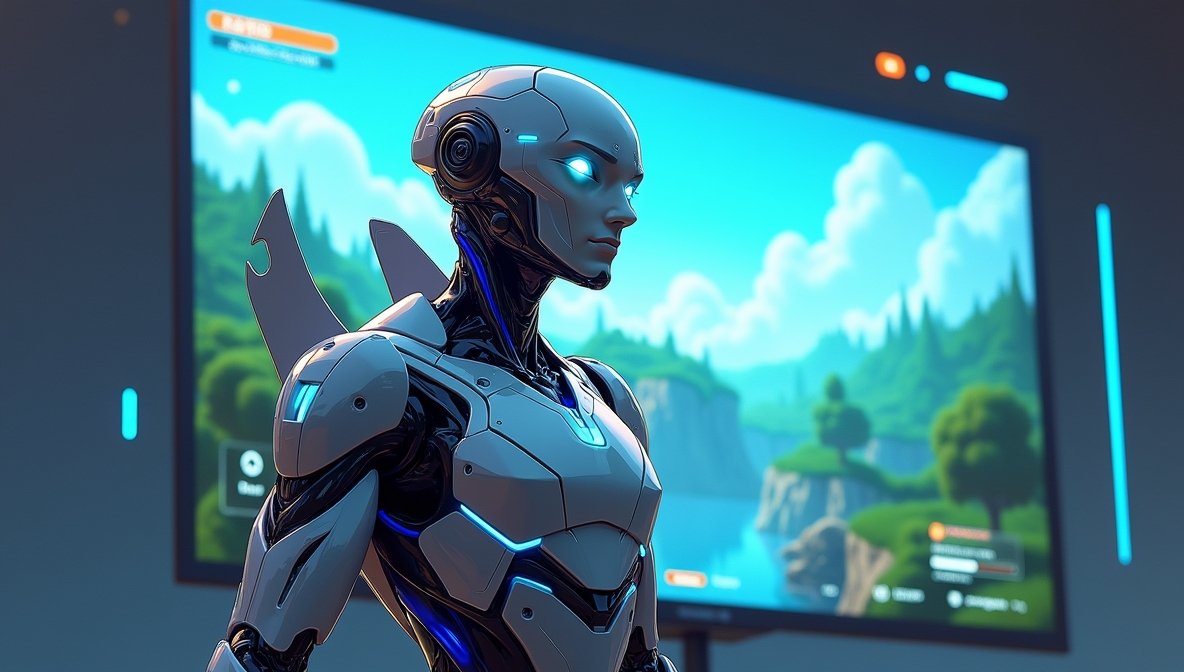
The global gaming industry has transformed from a niche pastime into a cultural and technological powerhouse. What once revolved around pixelated screens and simple mechanics has expanded into immersive digital universes, competitive esports arenas, and social platforms where millions of players connect daily. This evolution reflects not only advancements in hardware and software but also changes in how people interact with media and each other. Within this dynamic landscape, the concept of gaming trend tgarchirvetech has emerged as a way to describe the intersection of technological innovation and shifting player behavior.
Gaming is no longer limited to a single device or environment. Players engage through consoles, PCs, smartphones, and cloud-based platforms, creating a fluid ecosystem where boundaries between traditional and modern formats blur. This expansion has encouraged developers to rethink storytelling, gameplay mechanics, and monetization strategies. At the same time, communities have grown around games, transforming them into shared cultural experiences rather than solitary activities.
Technological Foundations of Modern Gaming
At the heart of contemporary gaming lies rapid technological progress. Graphics processing units now deliver cinematic visuals that rival Hollywood productions, while real-time rendering techniques provide lifelike environments. Artificial intelligence enhances non-player characters, making in-game worlds feel more responsive and unpredictable. These improvements are not merely cosmetic; they redefine what players expect from digital entertainment.
The rise of high-speed internet has also reshaped gaming’s infrastructure. Online connectivity enables cooperative missions, competitive tournaments, and global leaderboards. Cloud gaming further removes barriers by allowing players to stream games without powerful hardware. As these systems mature, the influence of gaming trend tgarchirvetech becomes evident in how technology adapts to user demand and vice versa.
Player Behavior and Community Dynamics
Modern gamers are not passive consumers. They actively shape game development through feedback, content creation, and social engagement. Streaming platforms allow players to broadcast gameplay to large audiences, turning gaming into a spectator sport. Esports competitions draw millions of viewers, creating professional careers for players and commentators alike.
Community-driven content, such as mods and fan-made expansions, extends the lifespan of games far beyond their initial release. This participatory culture aligns closely with gaming trend tgarchirvetech, where innovation often arises from the interaction between developers and players. The boundaries between creator and consumer are increasingly blurred, fostering a collaborative ecosystem.
The Role of Virtual and Augmented Reality
Virtual reality (VR) and augmented reality (AR) represent significant milestones in gaming’s evolution. VR immerses players in fully digital environments, allowing them to interact with virtual objects as if they were real. AR overlays digital elements onto the physical world, blending reality with imagination. Both technologies challenge traditional game design by emphasizing physical movement and spatial awareness.
These immersive formats open new possibilities for storytelling and gameplay. Horror games become more intense, simulations more realistic, and educational titles more engaging. As VR and AR hardware becomes more affordable, their adoption will likely accelerate. The integration of gaming trend tgarchirvetech into these experiences illustrates how innovation can redefine user expectations and industry standards.
Mobile Gaming and Accessibility
Mobile devices have democratized gaming by making it accessible to nearly everyone with a smartphone. Casual titles attract players who might never invest in a console or gaming PC, while competitive mobile games support professional tournaments and large fan bases. This accessibility has expanded the industry’s demographic reach, introducing new audiences and play styles.
Touch interfaces, gyroscopic controls, and location-based features have created unique gameplay experiences tailored to mobile platforms. These innovations reflect gaming trend tgarchirvetech in action, where technology adapts to user habits and environments. As mobile hardware continues to improve, the line between mobile and traditional gaming will further diminish.
Artificial Intelligence and Game Design
Artificial intelligence plays a growing role in shaping interactive experiences. Beyond controlling enemy behavior, AI assists in procedural content generation, creating vast worlds without requiring manual design for every element. Machine learning algorithms analyze player behavior to adjust difficulty levels, personalize challenges, and even predict trends. gaming tips tgarchirvetech
This adaptive design approach enhances player engagement by providing experiences that feel tailored to individual preferences. Developers leverage AI to test game mechanics and optimize performance before release. Such practices demonstrate how gaming trend tgarchirvetech influences not only the final product but also the development process itself.
Narrative Innovation and Emotional Engagement
Storytelling has become a central component of modern games. Complex narratives explore themes such as morality, identity, and social conflict, often presenting choices that affect the outcome of the story. These interactive narratives allow players to become co-authors of their experiences, deepening emotional investment.
Technological tools enable dynamic dialogue systems, facial animation, and realistic voice acting. As a result, characters feel more authentic and relatable. This narrative sophistication reflects gaming trend tgarchirvetech, where advances in technology support richer storytelling and more meaningful player connections.
Economic Models and Digital Markets
The business side of gaming has evolved alongside its creative aspects. Subscription services, downloadable content, and microtransactions have replaced traditional one-time purchases for many titles. Virtual economies within games mirror real-world markets, with items traded and valued based on rarity and demand.
Blockchain technology and digital ownership concepts introduce new possibilities for secure trading and unique in-game assets. These systems raise questions about value, scarcity, and player rights. Within this framework, gaming trend tgarchirvetech highlights how technological innovation shapes economic structures and consumer behavior.
Social Impact and Cultural Significance
Gaming influences popular culture through music, fashion, and language. Iconic characters and soundtracks become part of mainstream media, while gaming slang enters everyday conversation. Educational institutions use games for teaching history, science, and problem-solving skills, recognizing their potential as learning tools.
However, gaming also raises concerns about screen time, addiction, and online toxicity. Developers and communities work to address these issues through moderation tools, parental controls, and mental health awareness campaigns. Balancing entertainment with responsibility remains a critical challenge influenced by gaming trend tgarchirvetech and broader societal trends.
Esports and Competitive Gaming
Esports represents one of the fastest-growing sectors of the industry. Professional teams train rigorously, supported by coaches, analysts, and sponsors. Tournaments fill stadiums and attract global audiences through live streams and broadcasts. Prize pools reach millions of dollars, rivaling traditional sports events.
This professionalization has transformed gaming into a viable career path for skilled players. Infrastructure such as high-performance servers, broadcast technology, and analytics software underpins competitive success. These developments illustrate how gaming trend tgarchirvetech drives both technological advancement and cultural acceptance.
Environmental and Ethical Considerations
As gaming infrastructure expands, so does its environmental footprint. Data centers consume significant energy, and hardware production requires rare materials. Developers and manufacturers explore sustainable practices, such as energy-efficient servers and recyclable components.
Ethical considerations also arise regarding data privacy, monetization tactics, and representation within games. Transparent policies and inclusive design contribute to healthier communities and long-term trust. Addressing these challenges is part of the broader narrative shaped by gaming trend tgarchirvetech, where innovation must align with social responsibility.
Education and Skill Development Through Games
Games are increasingly used as tools for education and professional training. Simulation games teach pilots, surgeons, and engineers in controlled virtual environments. Strategy games develop problem-solving and resource management skills, while cooperative games encourage teamwork and communication.
These applications demonstrate the versatility of gaming beyond entertainment. By integrating educational objectives with engaging mechanics, developers create experiences that are both enjoyable and instructive. This approach reflects the adaptability inherent in gaming trend tgarchirvetech, where technology meets diverse human needs.
Future Directions of Interactive Entertainment
Looking ahead, the gaming industry is poised for further transformation. Advances in haptic feedback will allow players to feel textures and impacts, enhancing immersion. Brain-computer interfaces may one day enable direct interaction between thought and digital action, redefining input methods entirely.
Cross-platform ecosystems will continue to grow, enabling seamless transitions between devices. Storytelling may become more collaborative, with players influencing not only in-game events but also future content development. These possibilities embody the forward-looking nature of gaming trend tgarchirvetech, which thrives on experimentation and adaptation.
Conclusion
The gaming industry stands at the intersection of art, technology, and social interaction. Its growth reflects humanity’s desire for connection, challenge, and creativity in digital spaces. From immersive virtual worlds to competitive esports arenas, gaming continues to redefine entertainment in profound ways.
Understanding these changes requires attention to both technological innovation and human behavior. The concept of gaming trend tgarchirvetech captures this dual influence, emphasizing how tools and trends shape each other over time. As the industry evolves, its impact will extend beyond screens, influencing culture, education, and even how people perceive reality itself.
By embracing responsible practices, fostering inclusive communities, and encouraging creative exploration, the future of gaming can remain vibrant and meaningful. The journey of interactive entertainment is far from complete, and each new innovation adds another chapter to a story that continues to captivate millions around the world.