

Digital gaming has transformed from a niche hobby into a global cultural phenomenon. What once required physical cartridges and dedicated arcade spaces now exists across powerful consoles, personal computers, and mobile devices. Players from different backgrounds connect through shared experiences, immersive narratives, and competitive challenges that transcend borders. Within this evolving landscape, platforms and ecosystems such as games tgarchirvetech symbolize the growing intersection between gaming innovation and technological advancement.
Modern gamers expect more than entertainment. They seek rich worlds, responsive gameplay, and meaningful progression systems. Developers respond by integrating advanced graphics engines, artificial intelligence, and cloud-based infrastructure. These innovations redefine what games can achieve while shaping how players interact with digital environments.
This article explores the technological foundations, cultural impact, and future direction of gaming. By examining development processes, player engagement, and emerging trends, readers gain a comprehensive understanding of how modern gaming ecosystems continue to evolve in complexity and influence.
The Evolution of Gaming Technology
Gaming technology has progressed rapidly over the past few decades. Early games relied on simple mechanics and limited visuals, yet they laid the foundation for interactive entertainment. As hardware capabilities expanded, developers gained the freedom to experiment with deeper storytelling and more complex systems. The emergence of platforms aligned with games tgarchirvetech reflects this evolution, highlighting how innovation drives creative expression.
Advancements in processing power enabled real-time rendering, dynamic physics, and expansive open worlds. Sound design evolved alongside visuals, creating immersive environments that engage multiple senses. These developments transformed games into holistic experiences rather than isolated activities.
Technology also democratized game development. Accessible tools and engines empower independent creators to produce high-quality titles, contributing to diversity in gameplay styles and narratives. This blend of innovation and accessibility continues to shape the gaming industry.
Game Design and Player Experience
At the heart of every successful game lies thoughtful design. Game design balances mechanics, aesthetics, and narrative to create engaging experiences. Developers must consider how players learn systems, overcome challenges, and find satisfaction in progression. Concepts similar to those embraced by games tgarchirvetech emphasize seamless integration between technology and design philosophy tgarchirvetech news by thegamingarchives.
Player experience is influenced by pacing, difficulty, and feedback. Well-designed games reward exploration and experimentation while maintaining clear objectives. Visual cues, sound effects, and responsive controls guide players through complex environments without overwhelming them.
Accessibility has become an increasingly important aspect of design. Adjustable settings, inclusive mechanics, and thoughtful interfaces ensure that games are enjoyable for a wider audience. This focus on inclusivity strengthens community engagement and broadens the reach of digital gaming.
Hardware’s Role in Shaping Gameplay
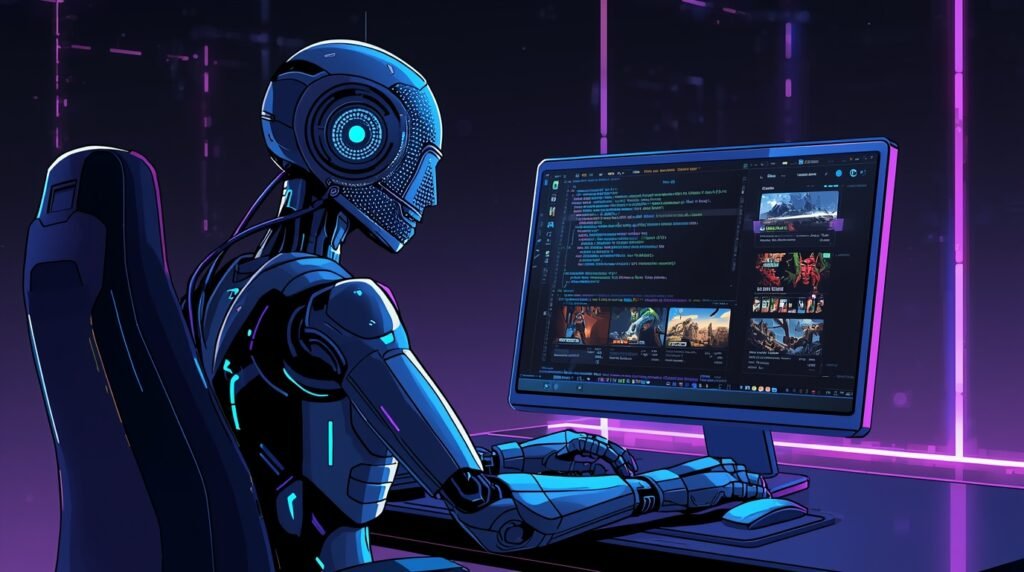
Hardware capabilities directly affect how games are developed and experienced. Processing speed, memory capacity, and graphics performance determine what developers can achieve technically. Platforms associated with games tgarchirvetech often reflect a balance between cutting-edge performance and user accessibility.
Powerful hardware enables detailed environments, realistic animations, and complex simulations. However, developers must optimize performance to ensure smooth gameplay across different systems. This challenge encourages innovation in resource management and rendering techniques.
Peripheral devices also enhance gameplay. Controllers, keyboards, and specialized accessories provide diverse input methods, catering to various play styles. Hardware evolution continues to push the boundaries of immersion and responsiveness in gaming.
The Rise of Online and Multiplayer Gaming
Online connectivity has redefined how players interact with games and each other. Multiplayer experiences foster collaboration, competition, and social engagement. Through platforms inspired by games tgarchirvetech, players connect across regions, forming communities that extend beyond individual titles.
Online gaming introduces dynamic challenges. Developers must ensure stable servers, fair matchmaking, and effective moderation. These elements maintain trust and enjoyment within player communities. Social features such as voice communication and shared achievements strengthen bonds between players.
The rise of online gaming has also influenced content creation. Livestreaming, competitive events, and user-generated content expand the gaming ecosystem, transforming players into active contributors rather than passive consumers.
Storytelling and Narrative Depth
Narrative has become a central component of modern games. Story-driven experiences offer emotional depth, moral choices, and character development. Games aligned with the philosophy of games tgarchirvetech often prioritize storytelling as a means of player engagement.
Interactive narratives differ from traditional storytelling by allowing players to influence outcomes. Choices shape character relationships and world states, creating personalized experiences. This interactivity enhances immersion and replayability.
Narrative design requires careful coordination between writers, designers, and technical teams. Dialogue systems, branching paths, and cinematic sequences must integrate seamlessly with gameplay mechanics to maintain coherence and impact.
Graphics, Art Direction, and Visual Identity
Visual presentation plays a crucial role in defining a game’s identity. Art direction determines style, atmosphere, and emotional tone. Whether realistic or stylized, visuals communicate themes and guide player perception. Initiatives similar to games tgarchirvetech highlight the importance of cohesive visual design supported by advanced technology.
Graphics engines enable realistic lighting, textures, and animations. However, visual quality is not solely about realism. Artistic consistency and creative vision often matter more than technical fidelity. Memorable games frequently combine distinctive art styles with efficient performance.
Visual accessibility also matters. Clear interfaces, readable text, and thoughtful color choices enhance usability. Balancing aesthetics with functionality ensures that visual design supports gameplay rather than distracting from it.
Artificial Intelligence in Modern Games
Artificial intelligence has become integral to gaming experiences. AI governs non-player characters, enemy behavior, and dynamic environments. Systems inspired by games tgarchirvetech leverage AI to create responsive and adaptive gameplay.
Intelligent opponents challenge players through strategic decision-making rather than predictable patterns. Adaptive difficulty adjusts challenges based on player performance, maintaining engagement without frustration. These systems personalize experiences while preserving balance.
AI also enhances world-building. Dynamic ecosystems, realistic crowds, and interactive environments contribute to immersion. As AI technology advances, games continue to offer more lifelike and unpredictable experiences.
Community, Culture, and Social Impact
Gaming culture extends beyond individual titles into shared experiences and communities. Forums, events, and collaborative projects foster a sense of belonging. Platforms aligned with games tgarchirvetech often serve as hubs for cultural exchange and creative expression.
Games influence art, music, and storytelling across media. They provide spaces for experimentation and dialogue, reflecting societal themes and personal identities. Community-driven initiatives promote inclusivity and creativity within gaming spaces.
Social impact also includes education and skill development. Games encourage problem-solving, teamwork, and strategic thinking. These benefits highlight gaming’s potential as both entertainment and a tool for personal growth.
Monetization Models and Ethical Considerations
Monetization strategies shape how games are developed and consumed. Models include one-time purchases, subscriptions, and optional in-game content. Ecosystems similar to games tgarchirvetech emphasize sustainable monetization that respects player experience.
Ethical considerations are increasingly important. Transparent pricing, fair progression systems, and responsible design foster trust. Developers must balance revenue goals with player satisfaction to maintain long-term engagement.
Community feedback plays a vital role in shaping monetization practices. Listening to players helps developers refine models and avoid practices that undermine enjoyment or accessibility.
Challenges in Game Development

Game development is a complex and demanding process. Technical limitations, time constraints, and creative pressures present ongoing challenges. Initiatives connected to games tgarchirvetech often highlight collaboration and innovation as solutions to these obstacles.
Balancing ambition with feasibility requires careful planning. Developers must prioritize features that align with core vision while managing resources effectively. Iterative testing and feedback improve quality and reduce risk.
Workforce well-being is another critical concern. Sustainable development practices support creativity and productivity. Addressing challenges holistically ensures healthier studios and better games.
The Future of Gaming Innovation
The future of gaming promises continued innovation and transformation. Emerging technologies such as cloud gaming, extended reality, and procedural generation expand creative possibilities. Concepts associated with games tgarchirvetech illustrate how adaptability and experimentation drive progress.
Player expectations continue to evolve, demanding richer experiences and greater agency. Developers respond by exploring new formats and narratives. Cross-platform integration and community-driven content further enhance accessibility.
As gaming becomes more interconnected with other digital media, its influence grows. The future holds opportunities for deeper immersion, broader participation, and more meaningful connections.
Conclusion: Gaming as a Dynamic Digital Ecosystem
Gaming has grown into a multifaceted digital ecosystem that blends technology, creativity, and community. From early experiments to complex modern experiences, the journey reflects human curiosity and innovation. Platforms and philosophies like games tgarchirvetech demonstrate how thoughtful integration of technology and design can shape engaging and inclusive experiences.
Success in gaming depends on understanding players, embracing innovation, and maintaining ethical practices. As the industry evolves, collaboration between creators and communities will remain essential. Games are no longer isolated products but living worlds shaped by interaction and imagination.
Looking ahead, gaming will continue to inspire, challenge, and connect people worldwide. By valuing creativity, accessibility, and sustainability, the digital gaming landscape can thrive as a powerful form of expression and engagement for generations to come.